







Search Results for: Single-Origin Coffee Recommendations
A Complete Guide to Choosing Single-Origin Coffee for Beginners: From Origin Flavors to Front Street Brand Recommendations
Newcomers to specialty coffee often feel overwhelmed when faced with a dazzling array of single-origin beans. This article starts with the definition of single-origin coffee, helping you clarify the differences between single-region, single-estate, and traceability. It then breaks down flavor characteristics by the three major producing regions—Africa, the Americas, and Asia—and offers beginner-friendly bean recommendations from the Front Street Coffee brand, such as Yirgacheffe, Lintong Mandheling, and Costa Rica. Finally, it covers how the four main processing methods affect acidity and sweetness, so you can quickly build a bean-selection framework and find the cup that suits your taste. [more…]
Pour-Over Coffee from Bean Selection to Parameters: Single-Origin Recommendations for Different Roast Levels and Water Ratios for Brewing with 15g of Coffee
To brew a delicious pour-over at home, choosing the right beans and mastering the water volume are key. This article starts with the regional character of single-origin coffees, then outlines flavor profiles and specific Front Street bean recommendations for light, medium, and dark roast levels, so even beginners can quickly find the style they enjoy. It then uses the classic Front Street Queen's Estate as an example to disclose the cafe's brewing parameters—Kono dripper, 88°C water, 15 g coffee, 1:15 coffee-to-water ratio, medium-fine grind—and breaks down the three-pour节奏 in detail: 30 g bloom for 30 seconds, second pour to 125 g, wait until the liquid level drops by half, then top up to 225 g, with a total extraction of about 2 minutes 10 seconds. After reading, you can replicate a clean and balanced pour-over by following the parameters. [more…]
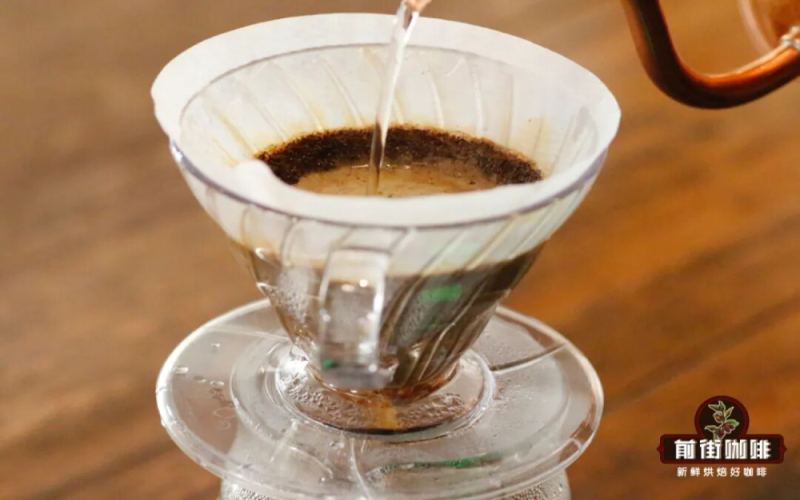
Single-Origin Pour-Over Coffee Bean Buying Guide: Variety Recommendations and Taste Analysis Based on Flavor Preferences
Faced with a dazzling array of single-origin coffee beans, how can you quickly find the one that suits your taste? This article starts with flavor preferences and sorts out two clear purchasing approaches for you: those who prefer fresh fruity acidity can focus on medium-light roasted beans, which often carry bright notes of floral, citrus, and berry; while those who enjoy a rich mouthfeel and cannot quite accept acidity are better suited to medium-dark roasted single-origin beans, which usually present intense flavors of chocolate, nuts, and caramel. The article selects several popular bean offerings from Front Street Coffee and introduces each one's origin characteristics and flavor performance, helping you make a choice by comparing them with your own preferences. [more…]
How to choose beans for SOE single-origin espresso? A complete guide from flavor types to Front Street Coffee brand recommendations
As specialty coffee has become increasingly popular in China, the debate over whether espresso should use single-origin beans or blend beans has never ceased. SOE (Single Origin Espresso) rose to fame after being used by 2007 WBC champion James Hoffmann, and gradually became popular in China due to the promotion of chain brands. However, SOE and blends each have their pros and cons: the former emphasizes flavor individuality and often carries noticeable acidity; the latter pursues richness and stability, better matching mainstream tastes. Front Street Coffee believes that the core of specialty coffee lies in the professional presentation of the entire supply chain, rather than judging quality solely by bean type. This article will systematically sort out the definition of SOE, its history, and its differences from blend beans, and provide specific recommendations for Front Street brand SOE and espresso blend beans, helping coffee lovers make choices that suit them. [more…]
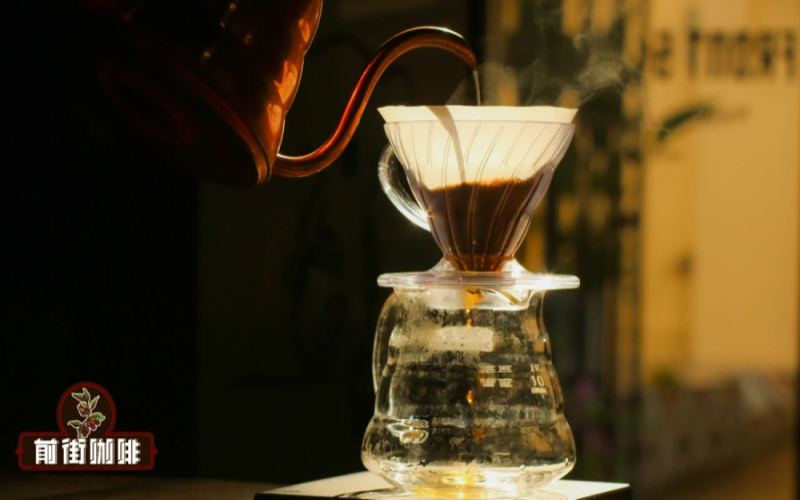
Pour-Over Coffee Bean Selection Guide: A Complete Analysis of the 7 Major Flavor Types of Single-Origin Beans and Brewing Recommendations
For those who are just getting into pour-over coffee, the bewildering array of coffee beans on the market often leaves them unsure where to start. In fact, pour-over usually calls for single-origin beans — that is, beans from a single region, single estate, or cooperative — which offers greater quality assurance. Front Street Coffee groups today's most popular single-origin beans into seven flavor categories: fruity, floral, fermented, sweet, balanced, high-body, and nutty-cocoa. Whether you prefer a bright, acidic, light and fresh profile or favor a rich, heavy mouthfeel, you can find your direction in this classification. Below, we introduce each flavor category one by one, covering representative bean varieties, origin information, cupping notes, and Front Street's roasting recommendations, to help you quickly pinpoint the pour-over bean that suits you. [more…]
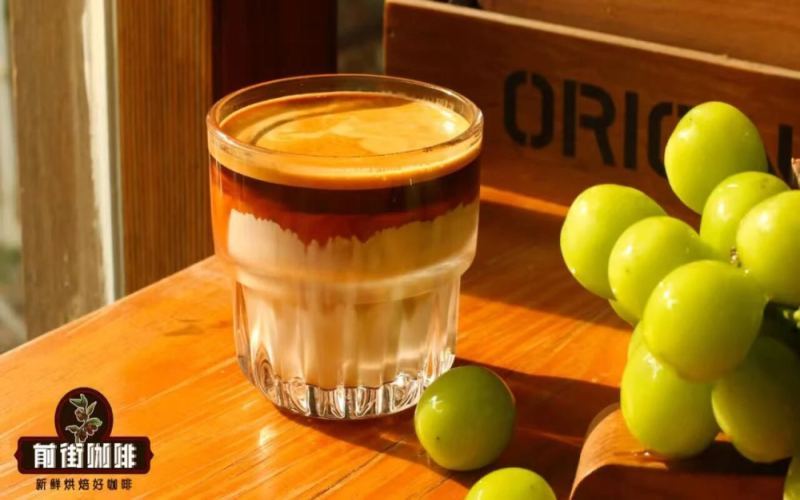
What Is SOE Coffee? Clearing Up Misconceptions, Key Buying Tips, and Front Street Coffee Bean Recommendations
SOE coffee beans have been a hot topic in the specialty coffee scene in recent years, but do you really understand them? This article will systematically explain the definition of SOE—espresso made with single-origin single-varietal beans—review its development trajectory since its birth in 2007 and its gradual spread across North America, and break down one by one cognitive misconceptions such as "SOE is definitely tastier than blends" and "SOE is necessarily more high-end." The article also compares the differences between single-origin pour-over and SOE in terms of roasting positioning and extraction methods, reminding everyone that single-origin beans, as agricultural products, naturally have flavor fluctuations. Finally, it includes three groups of SOE bean lists carefully selected by Front Street, each with a different style, covering different taste needs such as floral, high-sweetness, and low-acidity, helping you choose the beans you like. [more…]
Is SOE Espresso the Same as Single-Origin Beans? A Detailed Explanation of the Meaning of Huakui SOE and Recommendations of Four Front Street Single-Origin Espresso Beans
In the world of espresso, blended beans and SOE single-origin beans each have their own distinctive characteristics. SOE emphasizes a single origin and places higher demands on bean quality and roast level in order to extract a highly recognizable espresso flavor. This article starts from the differences between blends and SOE, explains why medium or medium-dark roasted single-origin beans are more suitable for making SOE, and recommends four Front Street SOE espresso beans commonly used by baristas, covering different flavor profiles such as berry and floral, passion fruit and grape, creamy nut, and wild spice, helping coffee lovers make a choice based on personal preference. [more…]
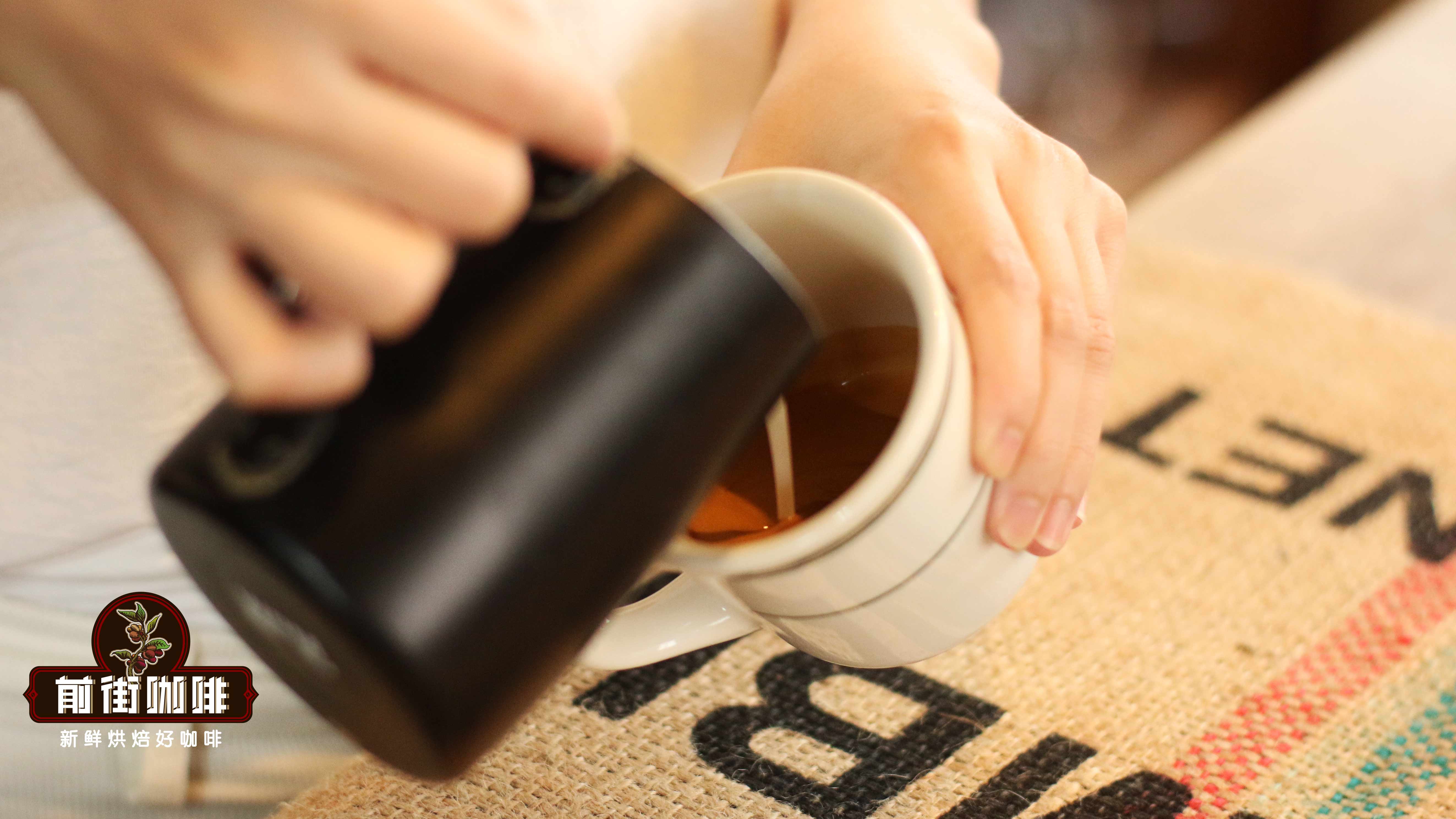
Milk-Chocolate-Profile Espresso Blends and Single-Origin Coffee Bean Recommendations: Featuring Select Beans from Brazil, Colombia, and Yunnan
To enjoy coffee with a milk chocolate flavor, the selection approach is actually not complicated: first avoid light-roasted beans with sharp acidity, then rule out dark-roasted beans with an overly burnt-bitter taste, and prioritize Central and South American and Asian origins. If brewing with pour-over, French press, smart cup, or drip bags, medium-dark roasted single-origin beans are the first choice; if you prefer a moka pot or espresso, medium-dark roasted blends are more suitable. Below are four coffee beans with prominent milk chocolate flavors, affordable and each with distinctive characteristics, suitable as everyday staples. Among them, several Front Street Coffee products perform impressively, covering both blends and single-origin, meeting different brewing needs. [more…]
Espresso Blend Bean Flavor Recommendations | What's the Difference Between Espresso Blend Beans and Pour-Over Single-Origin Beans? What Happens If You Use Espresso Beans for Pour-Over Coffee?
With the growing specialty coffee market, many people have begun to explore espresso and pour-over coffee. Coffee enthusiasts who regularly drink espresso know that the coffee beans used for espresso are blended coffee beans, while those used for pour-over coffee are single-origin coffee beans. So what is the difference between the two? Can espresso beans be used to make [more…]
Analyzing the Flavor Differences Between Pour-Over and Americano: Is It Appropriate to Add Milk and Sugar to Black Coffee? Front Street Single-Origin Bean Recommendations
Many friends who are just getting into coffee ask: black coffee is so bitter—can I add milk and sugar? Actually, there is no standard answer to how you drink your coffee; the key is understanding the nature of different coffees. Pour-over coffee and Americano differ noticeably in bean selection and flavor expression—Americanos mostly use blended beans, while pour-overs tend toward single-origin beans, and the latter often carry bright fruity acidity, floral notes, and tropical fruit tones. Precisely for this reason, adding sugar and milk to a carefully brewed pour-over may mask its most precious origin flavors. This article starts from a practical tasting perspective, sorts out these differences, and recommends several suitable single-origin beans from Front Street Coffee for friends who like to add milk to their black coffee. [more…]
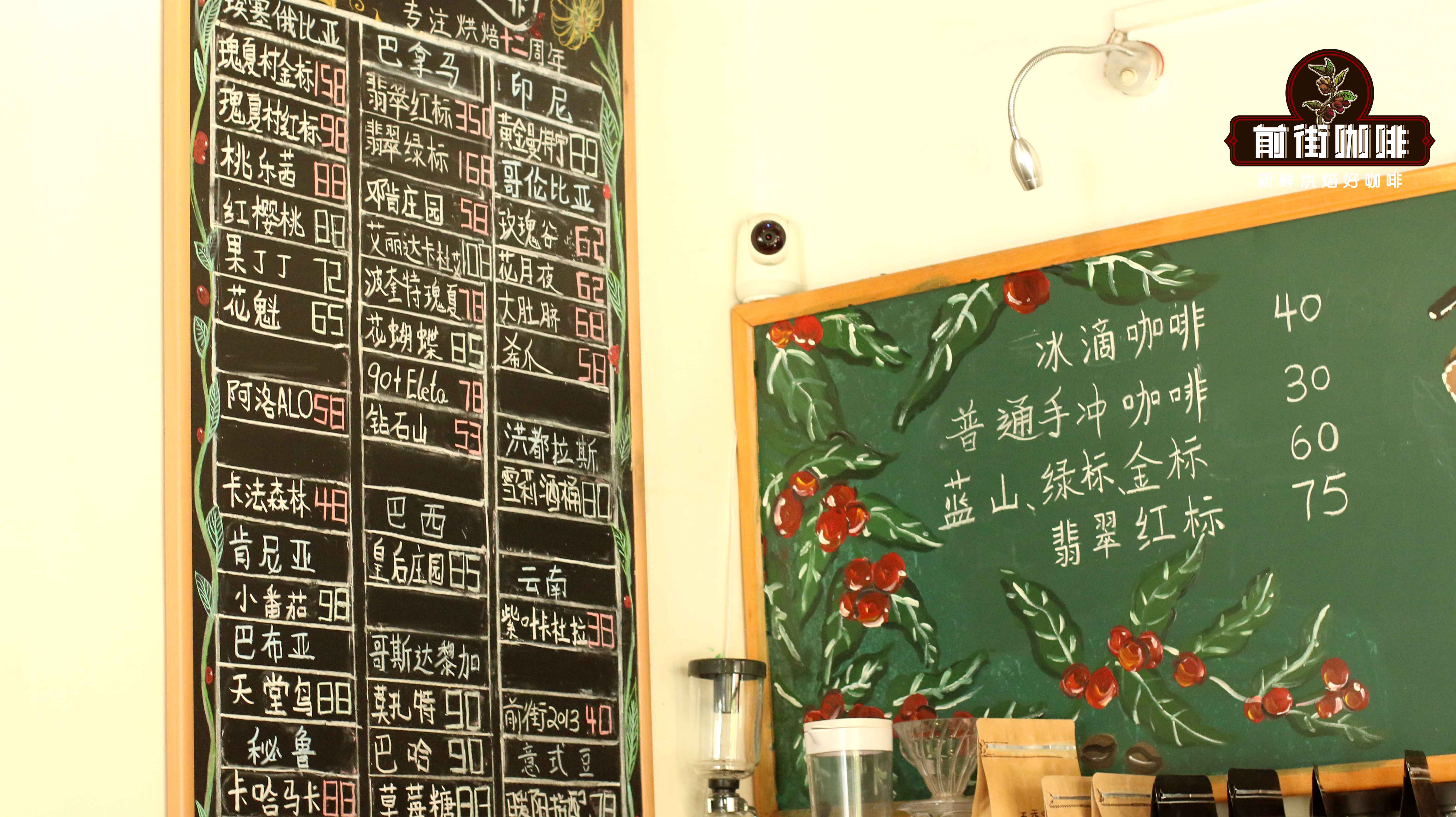
A Complete Guide to SOE (Single Origin Espresso): Differences from Blended Beans, the Feasibility of Using Single Origin Beans for Espresso, and Front Street Coffee Bean Recommendations
When you walk into a café to order, you're often asked by the barista, "Would you like SOE or a blend?" Many people are baffled the first time they hear this term. SOE stands for Single Origin Espresso, referring to espresso extracted from coffee beans of a single origin. It gradually entered the public eye after James Hoffmann won the 2007 World Barista Championship, and in China it only really took off after specialty coffee became widespread. Unlike blended beans, which pursue stability and balance, SOE places more emphasis on the distinctiveness of regional flavors, but it demands higher standards for bean quality, roasting technique, and the barista's understanding. In this article, Front Street Coffee will systematically sort out the definition of SOE, the background of its rise, its differences from blended espresso, and recommend three single-origin coffee beans suitable for making SOE. [more…]
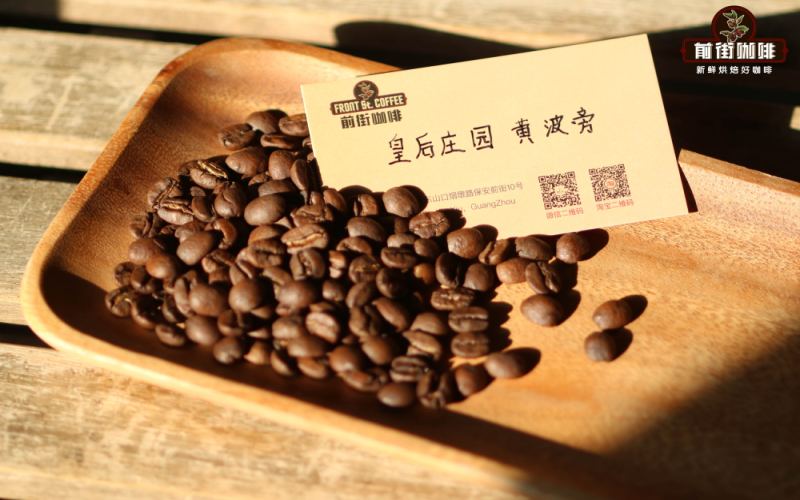
Single-Origin Espresso | How Should Beginners Choose Beans for SOE Coffee to Make It Taste Good? Recommendations for Popular, Distinctively Flavored SOE Single-Origin Espresso Beans
What is specialty coffee? According to the Specialty Coffee Association of America (SCAA), specialty coffee is, in short, coffee obtained through good green beans, good roasting, and good extraction. The so-called "SOE" is actually "Single Origin Esp [more…]
A Flavor Tasting Guide to Single-Origin Pour-Over Coffee: Eight Selected Micro-Lot Bean Recommendations from Front Street Coffee
In recent years, the third wave of specialty coffee has swept in, drawing more and more coffee lovers to single-origin coffee. Single-origin coffee refers to beans from a single producing region; these beans are usually of higher quality, and during roasting, adjustments are made specifically according to the characteristics of the origin and variety, striving to restore the coffee's most authentic regional flavor. So how should a cup of high-quality pour-over single-origin coffee be tasted? And where should you start when choosing beans? This article will guide you through the five key steps of tasting pour-over coffee, and, starting from the three major influencing factors of producing region, variety, and processing method, select eight single-origin beans from Front Street Coffee for your reference, covering classic origins such as Ethiopia, Indonesia, Brazil, Costa Rica, Kenya, Colombia, and Panama, to help you find the cup that suits your taste. [more…]
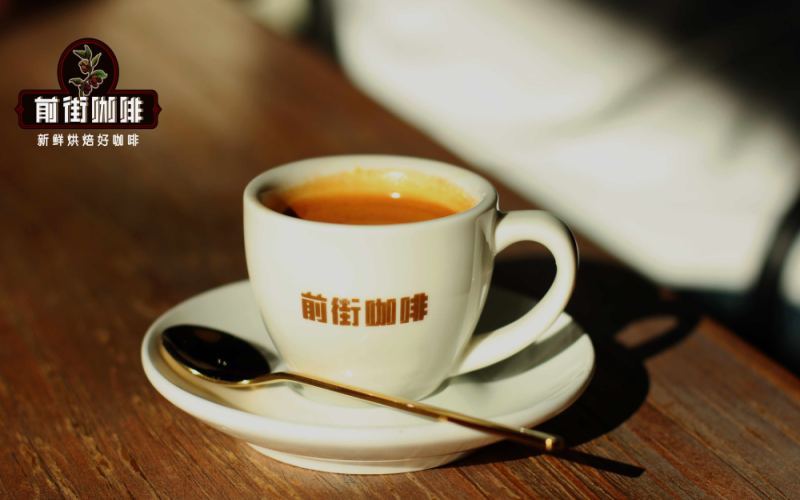
High-Quality SOE Bean Recommendations | What's the Difference Between SOE Coffee and Blend Coffee? Why Do Coffee Shops Love Using Single-Origin Coffee Beans for Espresso?
SOE is the abbreviation for "Single Origin Espresso," which in Chinese means: espresso from a single origin. Put simply, it replaces the "blended coffee beans" typically used to make espresso with "single-origin (single producing region) coffee beans," but still uses the espresso machine. [more…]
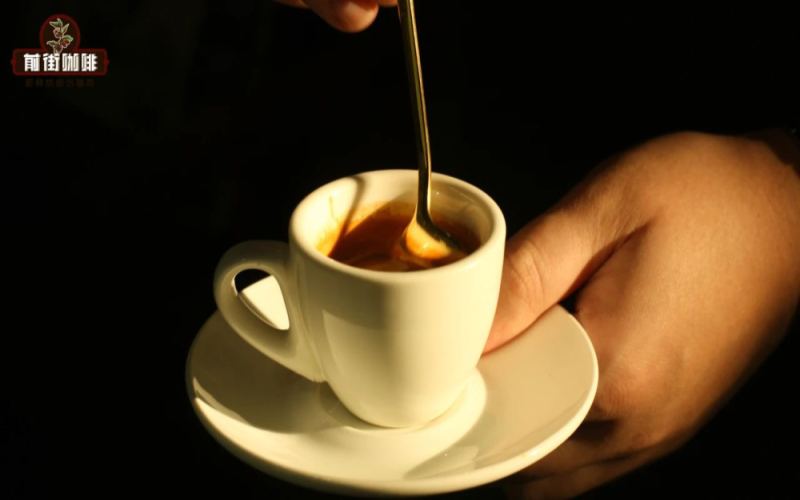
Espresso Blends vs. Single-Origin Beans: A Complete Guide to Espresso and Regular Coffee Brewing Recommendations
Coffee beans can be divided by origin into blends and single-origin beans. The former is commonly used for espresso, while the latter appears more often in pour-over or SOE. Starting from definitions, this article sorts out how espresso blends achieve flavor balance and complementarity by mixing beans from different origins, and introduces the rise and characteristics of SOE (Single Origin Espresso). The article also recommends Front Street Coffee's Classic Blend, Dark Cocoa Basic Blend, and several SOE beans, covering dimensions such as crema, mouthfeel, and value for money. Whether you are after rich crema or distinctive fruit acidity, you can find a suitable brewing direction. [more…]
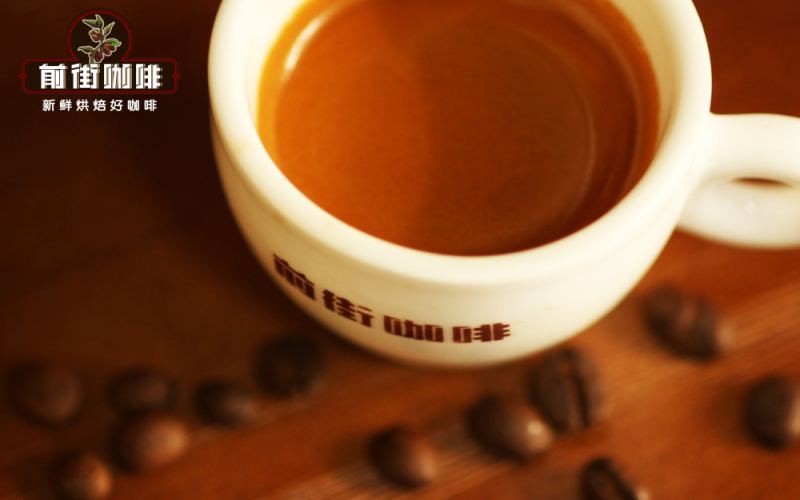
Flavor Characteristics and Selection Tips of SOE Single-Origin Espresso, with Three Front Street Single-Origin Bean Recommendations
When ordering at a coffee shop, you'll often hear the barista ask if you'd like to try an SOE. SOE stands for Single Origin Espresso, an espresso extracted from coffee beans of a single origin. Its approach differs from that of blend beans: blends pursue balance and complexity, while SOE aims to amplify the signature flavors of a particular region. However, making a good SOE is not simple—bean quality, roast level, and extraction parameters all need to be carefully matched, otherwise it easily ends up too sour, too bitter, or thin in flavor. This article will sort out the characteristics and common misconceptions of SOE, and according to three styles—acidic, fermented winey, and rich bitter—recommend three coffee beans suitable for making SOE: Front Street Coffee Colombia Papayo, Costa Rica Blackberry, and Brazil Queen's Estate, for enthusiasts' reference. [more…]
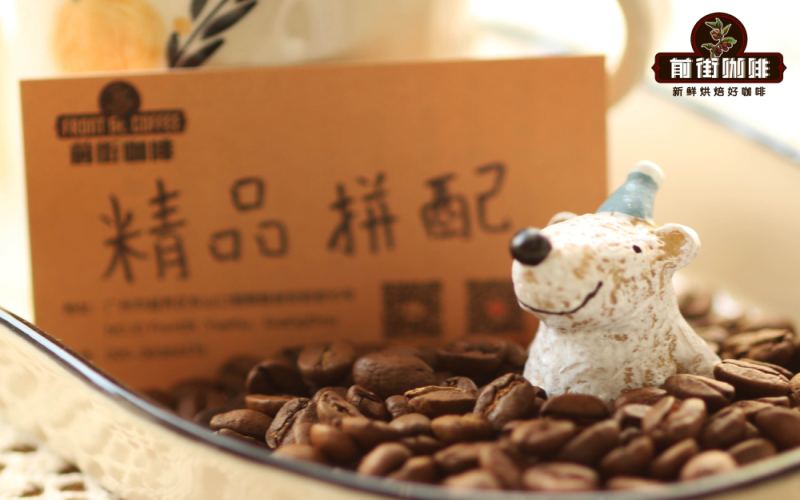
Can Espresso Blend Beans Be Used for Pour-Over? A Comprehensive Analysis of the Differences Between Espresso Beans and Single-Origin Beans and Brewing Recommendations
In an era where espresso and pour-over coffee coexist, many enthusiasts wonder: what happens if you use espresso blend beans for pour-over? From the perspective of Front Street Coffee, this article sorts out the essential differences between espresso blend beans and single-origin beans, explores the feasibility and flavor performance of using espresso beans for pour-over, and provides specific pour-over parameter references. At the same time, the article also introduces the flavor characteristics and prices of several Front Street espresso blend coffee beans, helping readers make choices according to their needs. Whether you want to try a new approach or want to understand the art of blending, you can gain practical information from it. [more…]
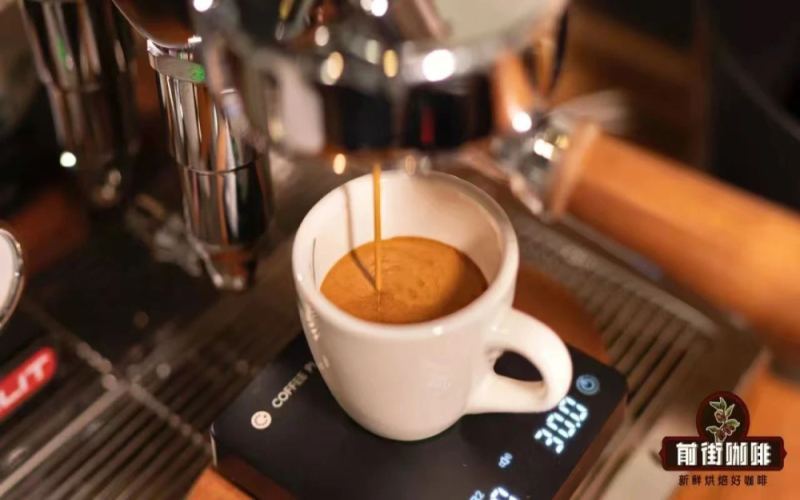
How to choose beans for single-origin espresso (SOE)? Extraction differences from pour-over single-origin coffee and five bean recommendations from Front Street Coffee
SOE stands for Single Origin Espresso, and in recent years its bright, crisp acidity has made it a signature offering in many coffee shops. It differs fundamentally from pour-over single origin coffee in extraction principles: the former relies on the high temperature and high pressure of an espresso machine for pressurized extraction, while the latter is a drip method at room temperature and atmospheric pressure. This difference means that SOE requires special consideration in bean selection and roast level, otherwise it easily turns out sharply acidic or thin. This article will outline the extraction characteristics and bean selection logic of SOE, and use five coffees suitable for making SOE as examples to introduce their respective flavor profiles, including the Front Street Coffee Huakui SOE designed specifically for espresso, for coffee enthusiasts' reference. [more…]
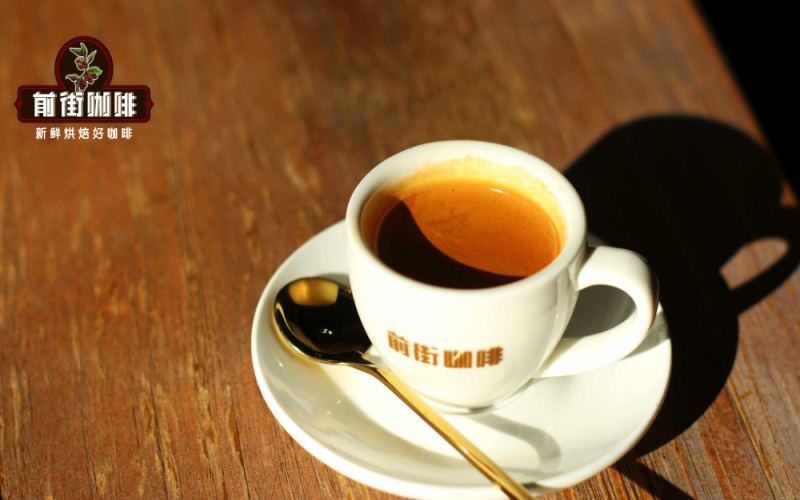
Espresso Bean Selection Guide: Blend vs. Single-Origin Differences, Extraction Parameters, and Front Street Recommendations
To make a decent espresso at home, choosing the beans is the first step. Many people ask: can any coffee beans be used to extract espresso? In theory, both Arabica and Robusta can, but if you're after flavor, bean selection matters a great deal. Currently, the espresso beans commonly found in cafés fall into two main categories: blends and single-origin beans. Blends combine multiple beans to pursue stability and balance; single-origin beans emphasize the unique flavor of a particular region, known as SOE. This article starts with the difference between blends and single-origin beans, explains why blends are more stable, and specifically introduces the flavor and extraction suggestions for Front Street Coffee's Classic Blend, Strawberry Candy Blend, and Sun-Dried Red Cherry SOE. It also provides reference parameters such as dose, yield, and time to help you find an espresso solution that suits you. [more…]
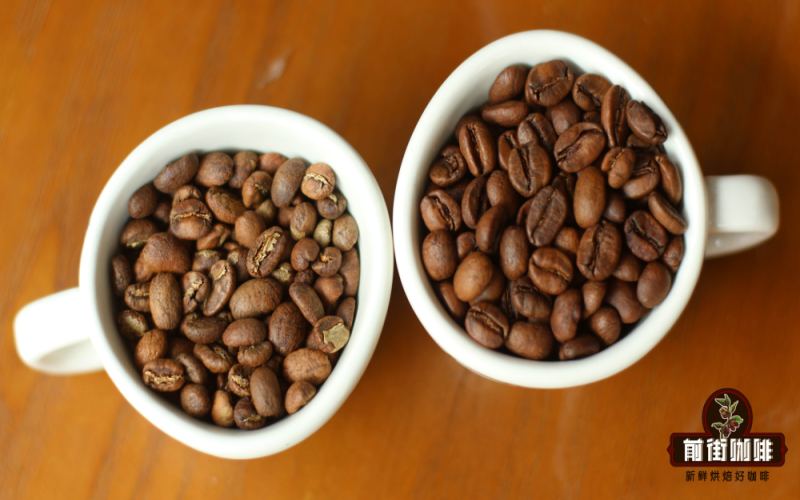
Floral and Fruity Pour-Over Coffee Beans Selection: A Guide to Popular Imported Single-Origin Recommendations
For coffee enthusiasts who prefer fruity acidity and floral aromas, light-to-medium roasted single-origin beans often deliver the most stunning taste experience. This article, from a practical tasting perspective, will walk you through several popular imported coffee beans with fruity and floral notes on the market, covering different styles such as citrus-floral, rich berry, and clear tea-like profiles. Whether you are a beginner just getting into pour-over or a veteran looking for an everyday staple, you will find the one that suits your taste. The article will also incorporate specific products from Front Street Coffee, offering targeted purchasing advice and flavor descriptions to help you lock in your ideal choice more efficiently. [more…]